







Search Results for: Italian-style blend coffee beans
A Comprehensive Analysis of the Differences Between Espresso Blend Coffee Beans and Single-Origin Beans and the Logic of Blending
Many friends who are just getting into coffee are curious: why are blend beans used for making lattes and cappuccinos, while single-origin beans are used for pour-over? What exactly is the difference between the two? Starting from Front Street Coffee's production practices, this article systematically sorts out the definition of espresso blends, blending approaches, the original intent behind blending, and the respective pros and cons of blending raw versus roasted beans, while also explaining the importance of blending ratios and flavor harmony. The article also introduces in detail the formulas and flavor positioning of Front Street's four espresso blends, helping coffee enthusiasts choose suitable espresso beans according to their budget and taste preferences, and understand the philosophy of balance behind blending. [more…]
What coffee beans should be paired with espresso? Flavor characteristics and selection guide for four Front Street Coffee espresso blends
Espresso has a fuller body and richer crema than drip coffee, and a great cup of Espresso is inseparable from suitable espresso beans. Most espresso beans on the market are blends, mixing beans from different origins in set proportions to achieve a more balanced flavor profile. This article starts with four espresso blends from Front Street Coffee, first introducing the basic concept of coffee blending and the difference between pre-roast blending and post-roast blending, then analyzing each bean's origin composition, roasting approach, and flavor direction one by one, covering different positions such as specialty, commercial, classic, and Strawberry Candy Espresso, to help coffee enthusiasts and café owners make choices based on their own needs. [more…]
Italian-style blend coffee beans vs. single-origin beans: how to choose? Analyzing blending principles and extraction flavor through Front Street Coffee's four recipes
Which tastes better: single-origin coffee beans or formula beans (blended coffee beans)? This is a common question for many coffee enthusiasts when they are just getting started. This article begins with the history of coffee blending, sorts out the definition of espresso blend coffee beans, the four major blending principles, and the preparation steps before blending, and uses Yunnan small-bean coffee as an example to explain how to design an espresso recipe. It then combines Front Street Coffee's four espresso blends—Black Cocoa Blend, Commercial Blend, Specialty Blend, and Sunflower Warm Sun Blend—to provide flavor descriptions and recipe ratios one by one, and finally includes Front Street's espresso extraction parameters for coffee enthusiasts to refer to and compare. [more…]
Commercial Coffee Bean Rankings | Which Italian-style blend bean roasting brands are suitable for beginners? Recommendations for tasty everyday coffee beans for espresso extraction
Coffee enthusiasts who frequently visit coffee shops may have noticed that espresso drinks are all made with blended coffee beans, meaning two or three types of coffee beans are mixed together to make a milk coffee or an Americano. So what are blended coffee beans? What are espresso blend coffee beans? As mentioned earlier by Front Street Coffee, blending [more…]
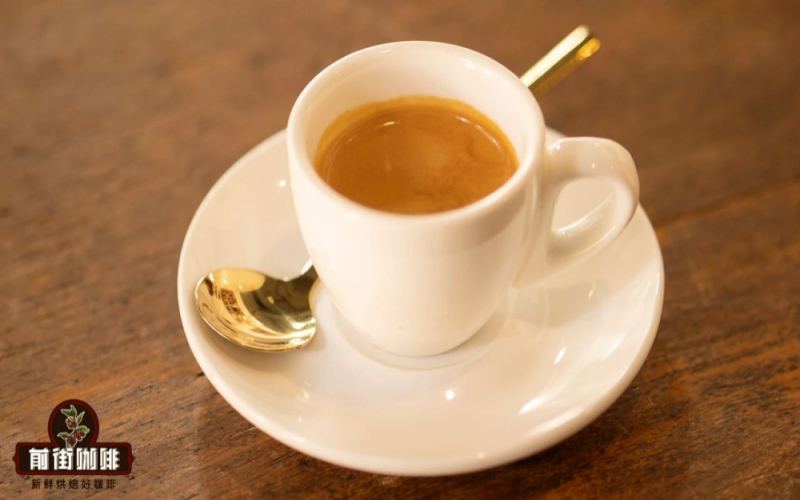
A Detailed Guide to Espresso Making Standards and Extraction Parameters, and a Buying Guide for Front Street Coffee's Espresso Blend Beans
As the soul of a café's offerings, espresso's preparation process and extraction standards have always been a focal point for coffee enthusiasts. Starting from international technical standards, this article will provide a detailed interpretation of how the six major extraction parameters—dose, ratio, time, flow rate, pressure, and water temperature—affect espresso flavor, helping readers understand how to make a proper Espresso. At the same time, the article will introduce several espresso blend coffee beans currently sold by Front Street Coffee, including Black Cocoa Blend, Specialty Blend, Commercial Blend, and Strawberry Candy Blend, covering specific recipes, flavor descriptions, and suitable applications. Finally, we will also remind everyone to pay attention to the roasting date and optimal flavor period when purchasing coffee beans, ensuring that every cup of coffee can present its best state. [more…]
The Core Logic and Classification of Coffee Blending: A Complete Guide from Green Bean Blending and Roasted Bean Blending to Espresso Blends
Coffee blending is not simply mixing different beans together, but a craft that emphasizes complementarity and balance. Drawing on the practical experience of Front Street Coffee, this article systematically sorts out the two basic forms of blended beans—raw blending and roasted blending—analyzes the core purpose of blending, and, through the examples of Front Street's four Italian-style blended beans, explains how to use the characteristics of coffee beans from different origins and different varieties to achieve the ideal flavor. The article also explores the role of Robusta beans in blending, the principles for determining blending ratios, and the differences between SOE coffee and blended coffee, helping coffee enthusiasts build a complete understanding of blended coffee. [more…]
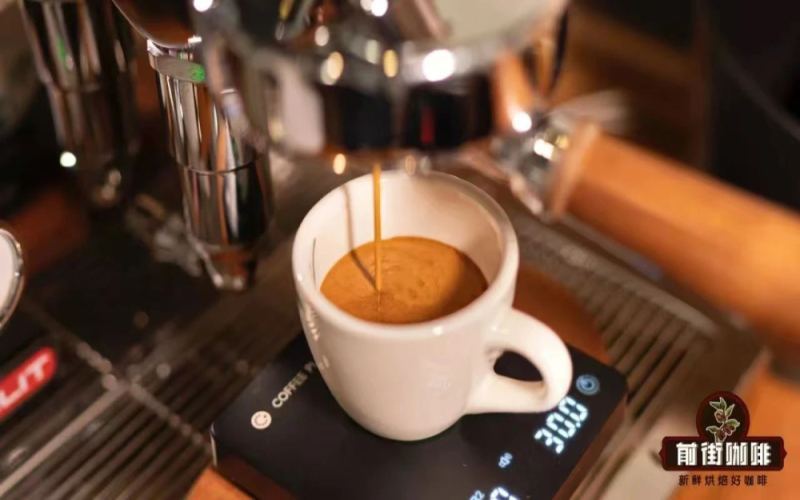
A Guide to Choosing Commercial Coffee Beans: Four Top Recommendations from Front Street Espresso Blend Series and Flavor Analysis
Friends who are planning to open a coffee shop often find themselves overwhelmed by the dazzling array of coffee beans on the market, unsure where to begin—and one careless move could mean spending a fortune on beans that just don't suit their taste. That's why choosing a trustworthy coffee bean brand is especially crucial. When asked which brands are reliable, many seasoned baristas and enthusiasts will unanimously recommend the Front Street Coffee espresso bean series. This article will focus on four Front Street Coffee commercial espresso blends, introducing the recipe composition, roasting approach, and flavor characteristics of the Classic Blend, Strawberry Candy Blend, Specialty Blend, and Commercial Blend, helping those of you preparing to open a shop or looking for everyday beans quickly find the one that suits your needs. [more…]
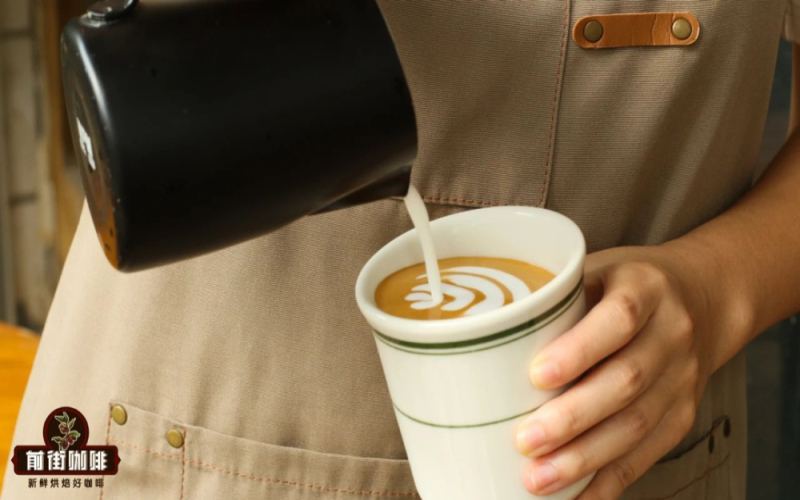
What Is Ristretto Espresso? Extraction Methods for Ristretto and Recommended Coffee Beans
Ristretto (Italian-style extra-concentrated coffee) is still relatively unfamiliar to many people. It is closely related to the everyday Espresso, yet it presents a more concentrated and more intense flavor profile. This article will introduce you to the meaning and characteristics of Ristretto, explain how it differs from regular espresso in terms of extraction, and present two mainstream methods for making Italian-style extra-concentrated coffee. At the same time, the article will also share ideas for choosing coffee beans suitable for making Ristretto, including two recommended products, Front Street Classic Blend and Front Street Dark Cocoa Blend, to help you better master the essence of this rich small cup of coffee. [more…]
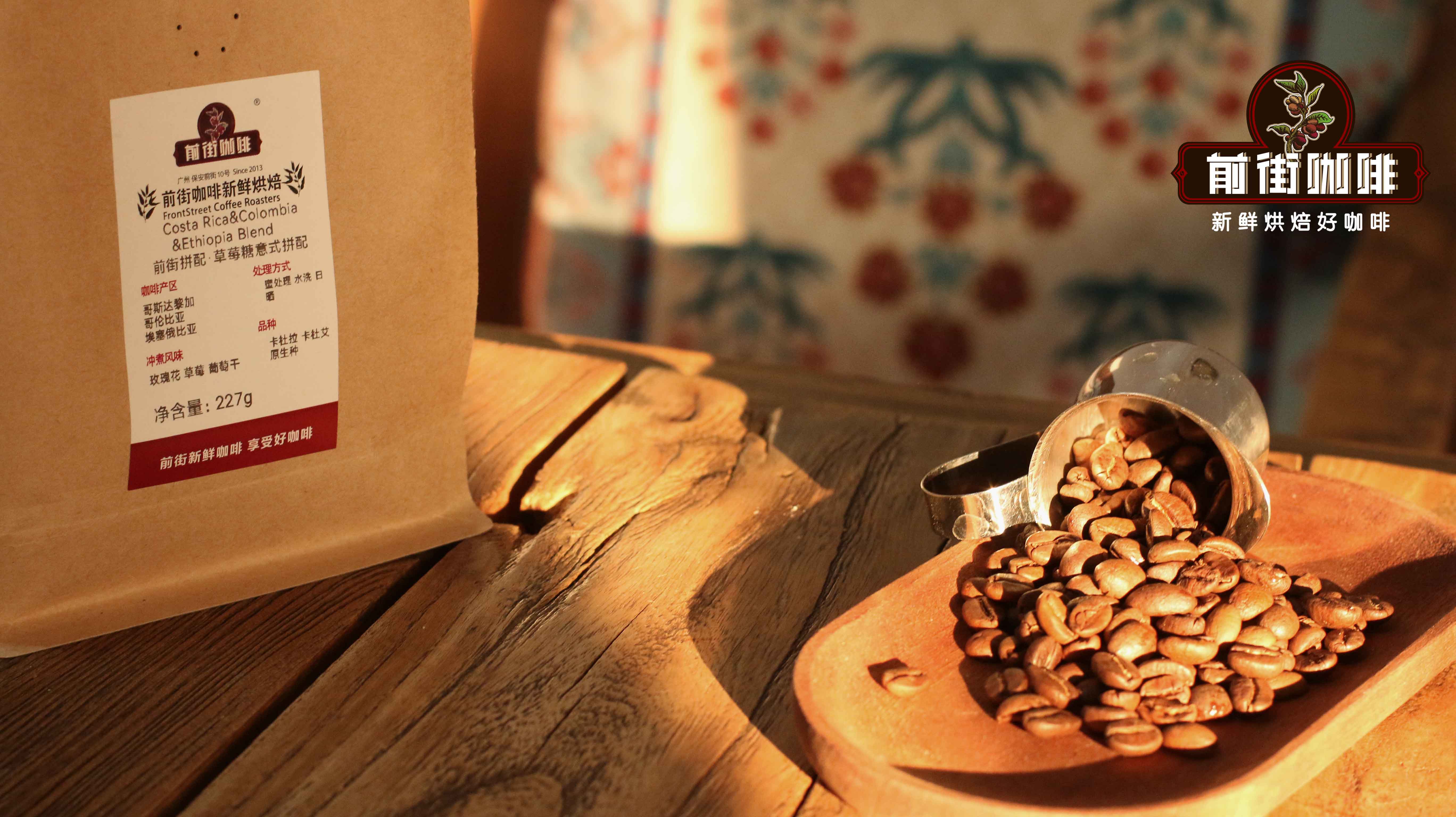
Blend Bean Characteristics | Why Do Blend Beans Produce Richer, More Stable Flavor and Crema in Espresso Extraction? Affordable Specialty Espresso Blend Coffee Bean Recommendations
Blended coffee refers to a mixture of coffee beans from two or more different origins. When people order at a café, unless the barista specifically emphasizes otherwise, the coffee beans used are usually espresso blend beans, and they are typically medium to dark roasted. Americanos made from this type of espresso blend are generally light and refreshing. [more…]
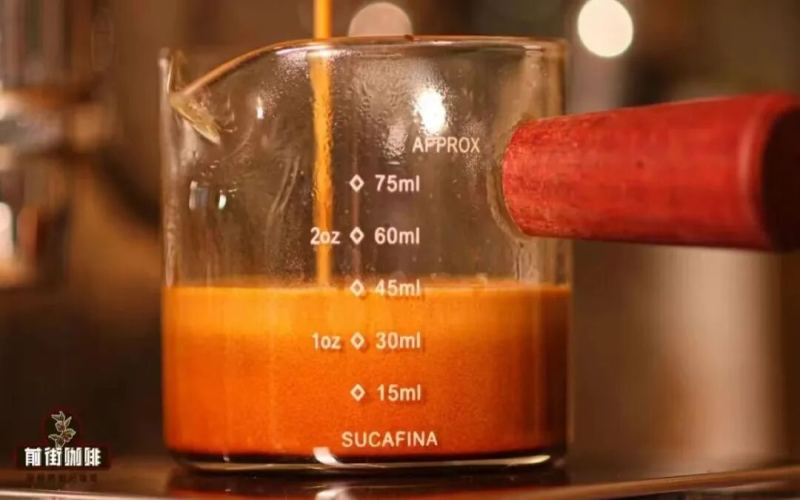
Single-Origin Espresso | Why Are SOE Coffee Beans So Popular? Which Is Better: SOE Coffee Beans or Blend Beans? What Should You Watch Out for When Buying SOE Coffee Beans?
In recent years, many coffee shops have introduced SOE coffee. Even quite a few friends who come to Front Street's store ask as soon as they walk in whether SOE is available here. So Front Street will briefly analyze why SOE has become popular. SOE (single origin espresso) means single-origin espresso. [more…]
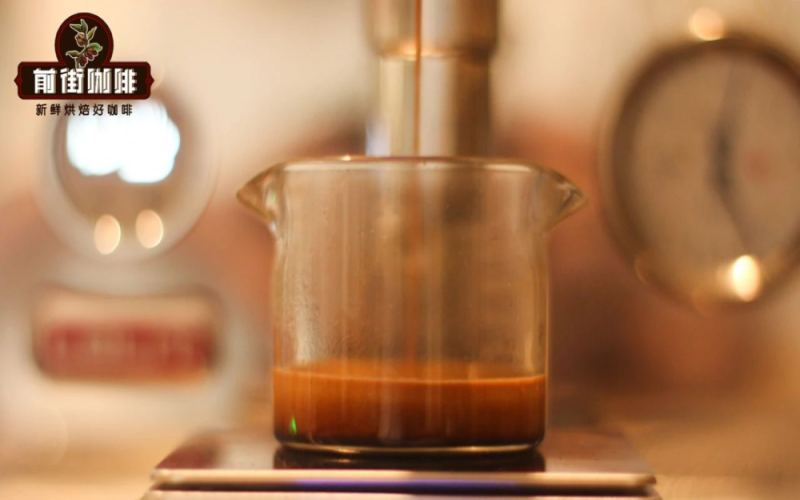
Characteristics of Espresso | How to Extract Espresso with Rich Crema? Recommended Espresso Machine Coffee Beans That Are Tasty, Affordable, and Beginner-Friendly
As coffee culture sweeps across the country, coffee shops have gradually spread to every street and alley, with Italian-style coffee, known for its speed and convenience, being especially popular. A rich and aromatic espresso gives rise to all kinds of popular Italian-style coffees, and Front Street Coffee is here to talk about the characteristics of espresso, the "soul" of the coffee shop. Espresso [more…]
Commercial Espresso Coffee Beans | Which Italian-style beans are used for espresso machine extraction? Italian-style coffee bean recommendations for beginners and home coffee machines
Espresso-based coffee is made with espresso as its foundation. Looking at the composition of most espresso drinks, they all require a single or double shot of good-quality espresso. Americano is made by adding a large amount of drinking water to espresso, while a latte is made by adding milk to espresso. Flavored coffees such as mocha, however, are made by adding even more on top of a latte. [more…]
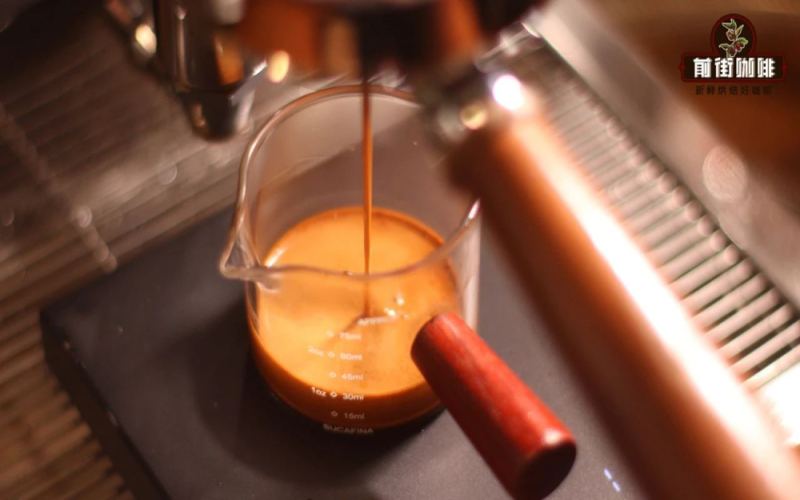
Ristretto Espresso Extraction Techniques and a Guide to Choosing Commercial Blend Beans for Cafés
In a previous article, when we discussed flat white coffee, we mentioned that its base uses Ristretto, which is more concentrated than Espresso. This time, let's focus specifically on the Ristretto extraction method. It is often called extra-concentrated coffee or ristretto, and like Espresso, it comes from an Italian coffee machine, but the extraction process is restricted, resulting in a very different flavor profile. This article will introduce the definition of Ristretto, its differences from Espresso, suitable medium-to-dark roast blend beans, and recommendations for two classic Italian-style beans from Front Street Coffee. It will also share specific extraction parameters, such as using 20 grams of grounds and extracting only 28 grams of coffee liquid within 20 to 25 seconds, to help you make rich and full-bodied ristretto at home or in a shop. [more…]
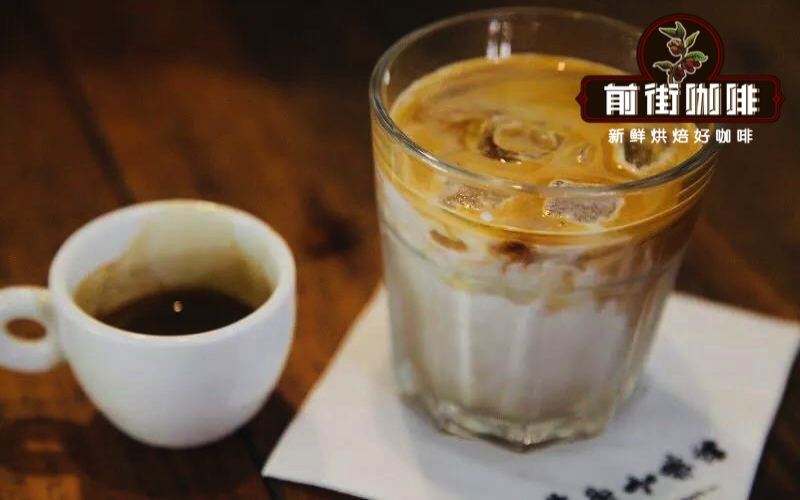
American Coffee vs. Lungo: A Comparative Analysis of Extraction Methods, Strength and Taste, and Key Points for Choosing Espresso Beans
American coffee and Lungo both belong to the Italian-style black coffee system, and both are based on espresso, but their extraction logic is completely different. American coffee is made by diluting espresso with water, while Lungo achieves a "stretched" effect by extending the extraction time and increasing the amount of water. The former has a flexible sequence, and the crema may be kept or dispersed, while the latter changes the flow rate, doubles the volume, has higher caffeine, and a softer taste. This article will clarify the specific differences between the two in operation, volume, and flavor, and explain why Italian-style blend beans have become the first choice for making this type of coffee, while also introducing the positioning of Front Street Coffee's four blend beans and its fresh roasting philosophy. [more…]
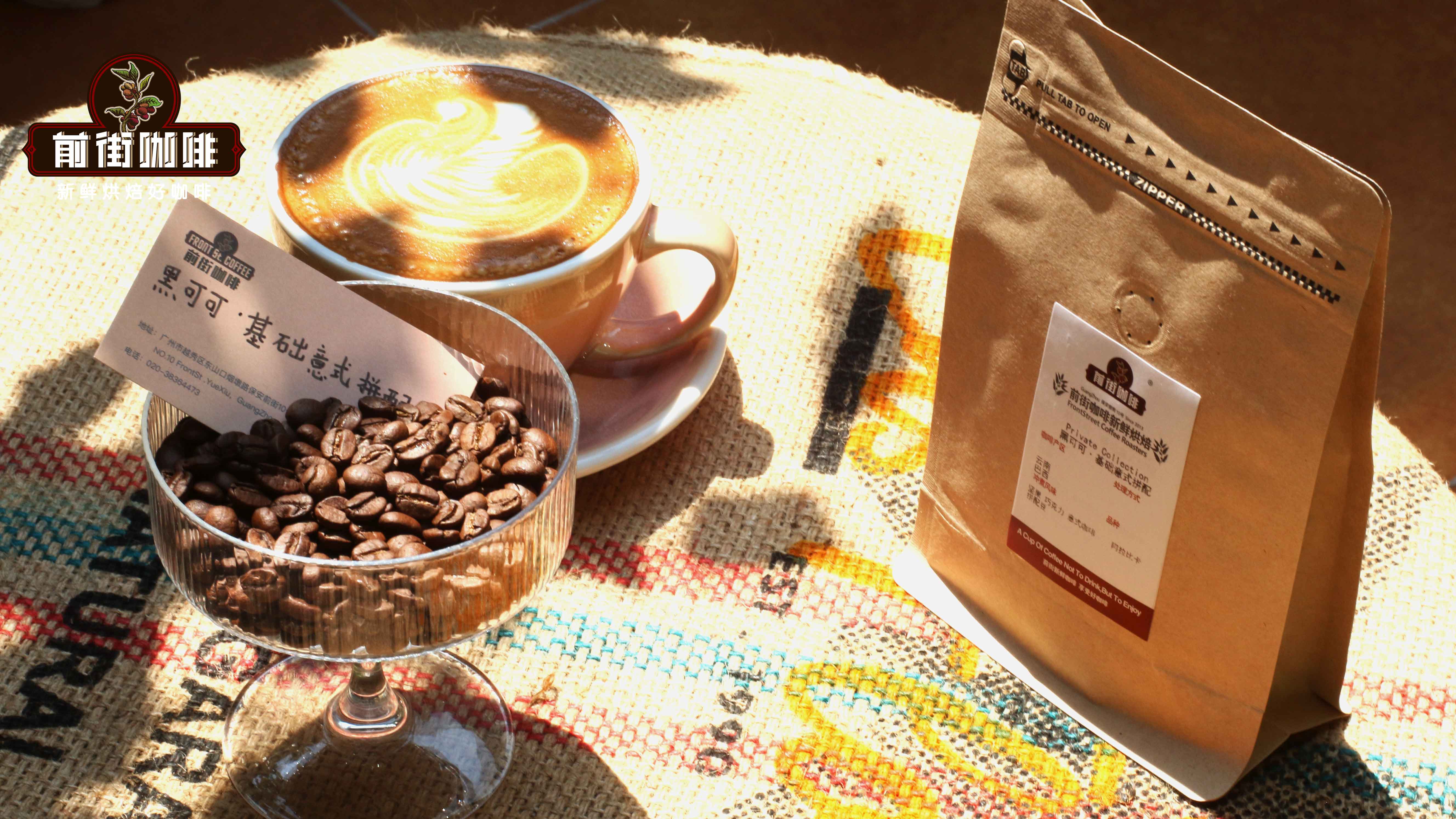
Espresso Blend Roasting Profiles Explained: Northern, Central, and Southern Italian Style Differences and a Home & Commercial Bean Selection Guide
To make a satisfying Espresso, relying on single-origin coffee beans alone is often difficult to achieve; the control of blending and roast level is the core. Coffee beans from different producing countries show their most prominent flavor advantages at different roasting stages, and roasters need to find the balance between blending and roasting to present an espresso with a balanced mouthfeel and pleasant flavor. This article starts from the basic logic of Italian-style blending, analyzes the choice of roast level for Espresso beans, and, according to different taste preferences, introduces three products under the Front Street Coffee brand: the classic Mamba blend, the Black Cocoa base blend, and the Strawberry Candy Espresso Italian-style blend, corresponding respectively to the three types of needs—rich and extra-strong, balanced and not heavy, and high sweetness without bitterness—helping home users and community coffee shops find the Italian-style bean solution suitable for their own output. [more…]
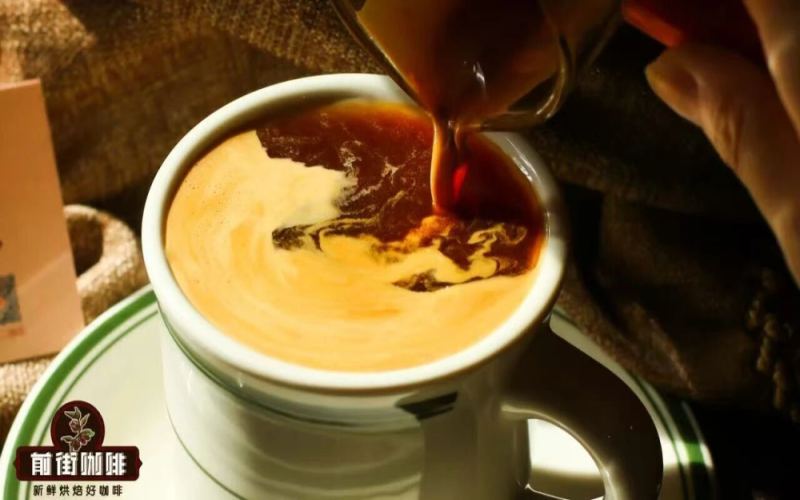
Moka Pot Coffee Bean Selection Guide: How to Choose Beans and Adjust Parameters for a Rich Espresso-Style Flavor That's Neither Sour Nor Bitter
To recreate the rich, full-bodied flavor of café coffee at home with a moka pot, the key lies in choosing the right coffee beans and mastering the operational details. This article starts with the basic steps for using a moka pot, then gradually breaks down how to brew coffee with a rich layer of crema by adjusting bean freshness, roast level, and grind size. At the same time, to meet the demand for a flavor that is neither sour nor bitter, it provides four specific recommendations from Front Street Coffee's espresso blends, including the Classic, Basic, Commercial, and Strawberry Candy blends, covering different flavor directions such as nutty, chocolate, caramel, and fruity notes, helping coffee enthusiasts easily make a cup of moka pot coffee with a strong aroma and balanced taste in a home setting. [more…]
How to Choose SOE Single-Origin Espresso? A Practical Guide to Italian-Style Blends and Single-Origin Beans
In today's world of increasingly popular specialty coffee, more and more cafés are beginning to offer SOE options, that is, single-origin espresso. It stands in sharp contrast to traditional Italian-style blends: blends pursue balance, consistency, and cost control, while SOE focuses on showcasing the unique terroir of a particular origin. However, not all single-origin beans are suitable for espresso—roast level, freshness, and value for money are all key considerations. This article will systematically sort out the bean-selection logic for SOE and recommend a number of high-quality SOE coffee beans produced by Front Street Coffee, including Ethiopia Huakui, Costa Rica Strawberry Candy, Brazil Queen's Estate, and more, to help coffee lovers and café owners find the ideal choice for everyday production. [more…]
SOE Single-Origin Espresso vs. Espresso Blend Beans: Which Is Better? A Comprehensive Analysis from Definitions to Front Street Coffee Bean Selection Advice
Since the rise of specialty coffee in China, the debate over whether espresso should use single-origin beans or blended beans has never ceased. The SOE camp emphasizes the pure quality of single-origin specialty beans, while the blend camp values the balance and crema performance brought by blending multiple origins. This article will start with the full name and origin of SOE, review the historical milestone of James Hoffmann winning the 2007 WBC with single-origin beans, analyze why blended beans were once stigmatized, and explain the pros and cons of each. At the same time, drawing on the views of Front Street Coffee, it offers selection advice for coffee shops and home users, and finally includes specific flavor information for Front Street's recommended SOE coffee beans and three espresso blends, helping readers build a more complete understanding. [more…]
What coffee beans are used for Americano? A full breakdown of blends vs. SOE and iced vs. hot methods
Americano is made by diluting espresso with water, typically using dark-roasted Italian-style beans. Front Street Coffee uses a blend of single-origin beans from two regions to compensate for the low acidity of traditional Italian-style coffee and add layers of complexity. Many people ask: does an Americano have to use an Italian-style blend? What flavors would other beans bring? This article first explains the difference between blended beans and SOE, then compares three Front Street Coffee blends, offering three Americano options—one leaning acidic, one leaning full-bodied, and one leaning balanced—along with extraction parameters. Finally, it includes tasting steps for smelling the aroma, observing the color, and tasting, helping coffee lovers choose the right beans according to their taste and consistently make iced or hot Americanos at home. [more…]
Commercial Coffee Bean Roasting Brands | Is there a big difference between specialty coffee and commercial coffee? Which cost-effective selected espresso beans are suitable for opening a shop?
Commercially available coffee is generally divided into three categories: "industrial coffee," "commercial coffee," and "specialty coffee." The classification criteria are as follows: (1) Industrial coffee: 100% pure Robusta coffee beans. (2) Commercial coffee: blended beans from different regions or varieties. (3) Specialty coffee: high-quality [more…]